Creating a Sensory Garden for Children
May arrives with a kind of energy that can’t be contained. The light is longer. The soil is warming. Everything is stretching, reaching, waking up at once. Children feel this shift deeply. Their bodies are eager for movement, their senses wide open, and their need to be outside feels almost urgent. This is the season where connection through the senses matters more than schedules or structured activities, and where the garden becomes one of the most grounding places a child can be.
I first came up with the idea of creating a sensory garden for my children when my second daughter was still a baby. I would bring her pack’n’play out to the garden with me and cover it with a fitted sheet. It kept her shaded and protected from bugs or falling leaves, but it also created something unexpectedly magical. The leaves from a nearby tree cast soft, shifting shadows across the fabric. Light and movement danced above her as the breeze moved through the branches. She would smile and giggle, reaching up toward the shapes as if she could catch them.
Watching her respond so fully, without toys or instruction, made something click for me. I knew I wanted to find a way to keep my children with me in the garden, in a way that truly satisfied them. That moment is what led me to research sensory gardens, especially those designed with children in mind. Over the years, through trial and plenty of mess, I’ve learned what actually works.
The outdoors is, without question, the richest sensory experience available to children. Soil, mud, scent, color, texture, sound, even wind and temperature all work together to stimulate the nervous system in a way no indoor activity ever could.
Research continues to show that unstructured outdoor play supports cognitive development, emotional regulation, and resilience. When children are free to explore without a timeline or end goal, their attention naturally settles on what interests them most. That’s why a sensory garden doesn’t need to be elaborate. It only needs to invite curiosity. I’ve found it helpful to create a garden space just for the kids, right alongside my own. It gives them ownership while allowing me to work nearby. If you don’t have garden beds, a few large planters work beautifully. Functional always matters more than fancy.
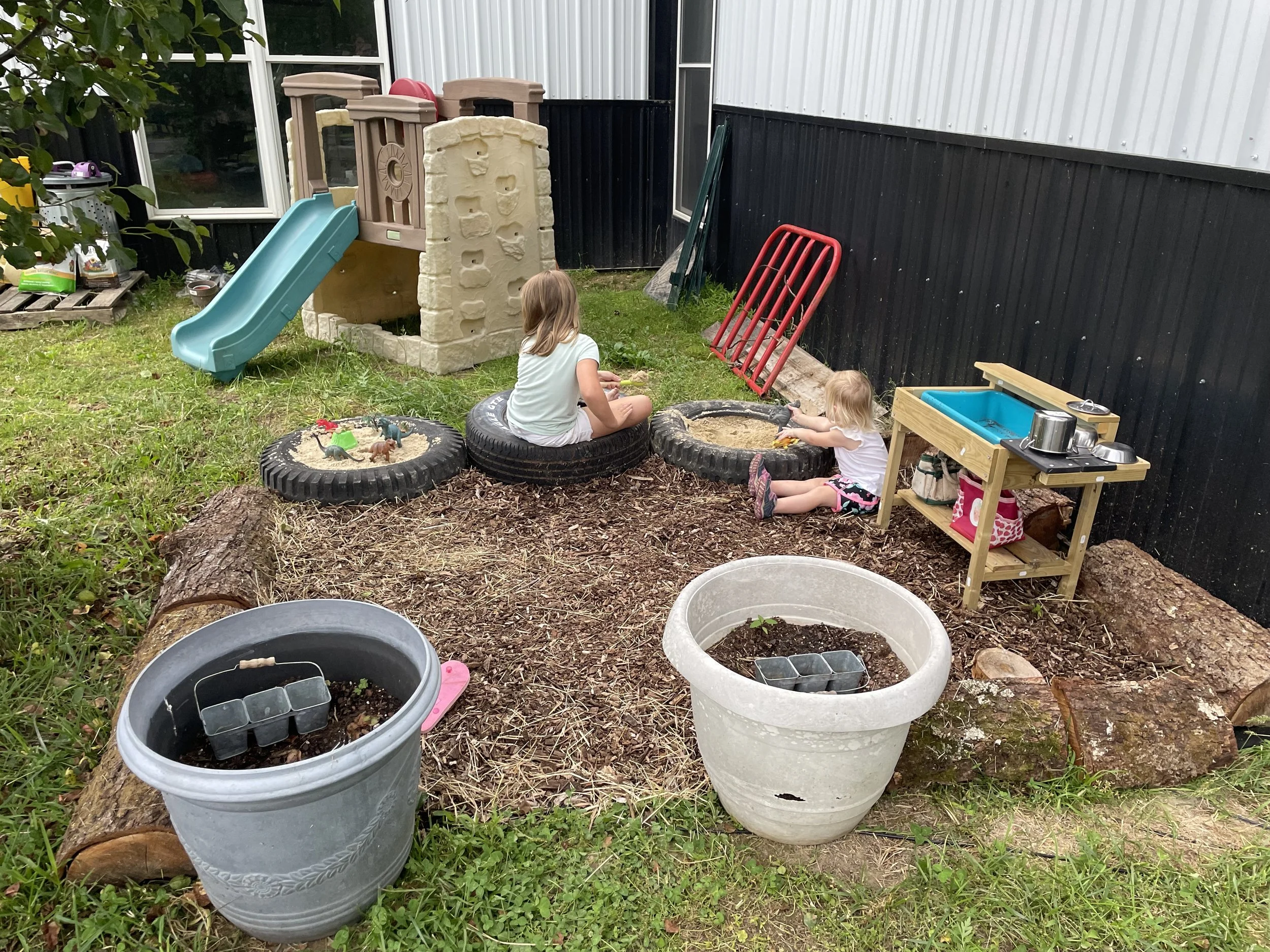
At the heart of every sensory garden is dirt. Kids love dirt, and for good reason. Soil contains naturally occurring microbes, including Mycobacterium vaccae, which has been studied for its role in stimulating serotonin production in the brain. In simple terms, getting hands into the soil can actually support mood and emotional well being. Dirt plus water alone is enough to keep most children engaged for long stretches of time. Mud pies, trenches, and tiny worlds formed by imagination are powerful work. From there, you can layer in elements that invite other senses to join the play.
Stones add contrast, both in temperature and texture, giving little hands something different to explore. Water is another favorite. A shallow bucket or small pond invites splashing, pouring, and experimenting, and doubles as a place to rinse muddy fingers. Sound matters too. Wind chimes add gentle music that blends with rustling leaves, buzzing bees, and birdsong, helping children tune into the natural rhythm around them.
Kid safe gardening tools encourage purposeful movement and fine motor development, and the treasures they uncover along the way like worms, beetles, or interesting rocks often become the highlight. Shade is important as well. If your garden gets full sun, adding an umbrella or shade cloth allows for longer stretches outside. Direct sun is best limited to shorter periods, especially for young children.
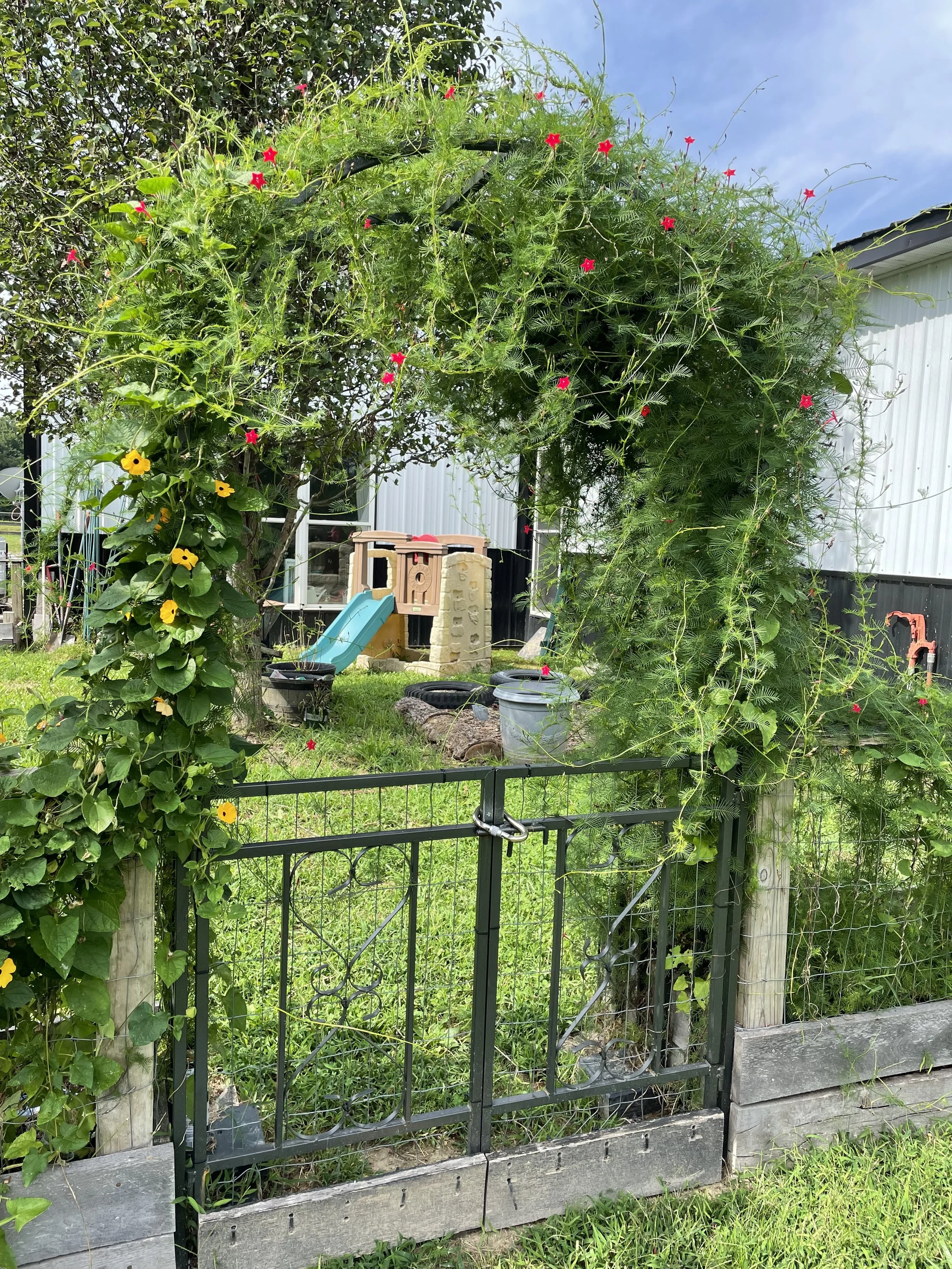
Plant choices bring the senses fully alive. When selecting seeds, it helps to choose plants that grow easily and respond quickly. For fruits and vegetables: peppers, beans, peas, cucumbers, and watermelon offer visible progress and exciting harvests. Herbs are especially powerful sensory tools. Basil, mint, oregano, and chives invite touch and scent, and children love brushing past them to release their fragrance. Flowers complete the experience. Nasturtium, calendula, zinnia, and sunflowers are hardy, colorful, and inviting. If you have a fence or trellis, vining plants add height, movement, and a sense of enclosure that makes the space feel special.
When all of these elements come together, the senses are gently engaged without overwhelm. Touch is stimulated through soil, leaves, and petals. Smell draws children in almost unconsciously, grounding them in the present moment. Color plays a powerful role as well. Studies show that exposure to natural color variation can boost mood and improve focus, something we feel instinctively when surrounded by blooms and greenery. The presence of flowers and herbs attracts pollinators, adding movement and sound that deepen the sensory experience even further.
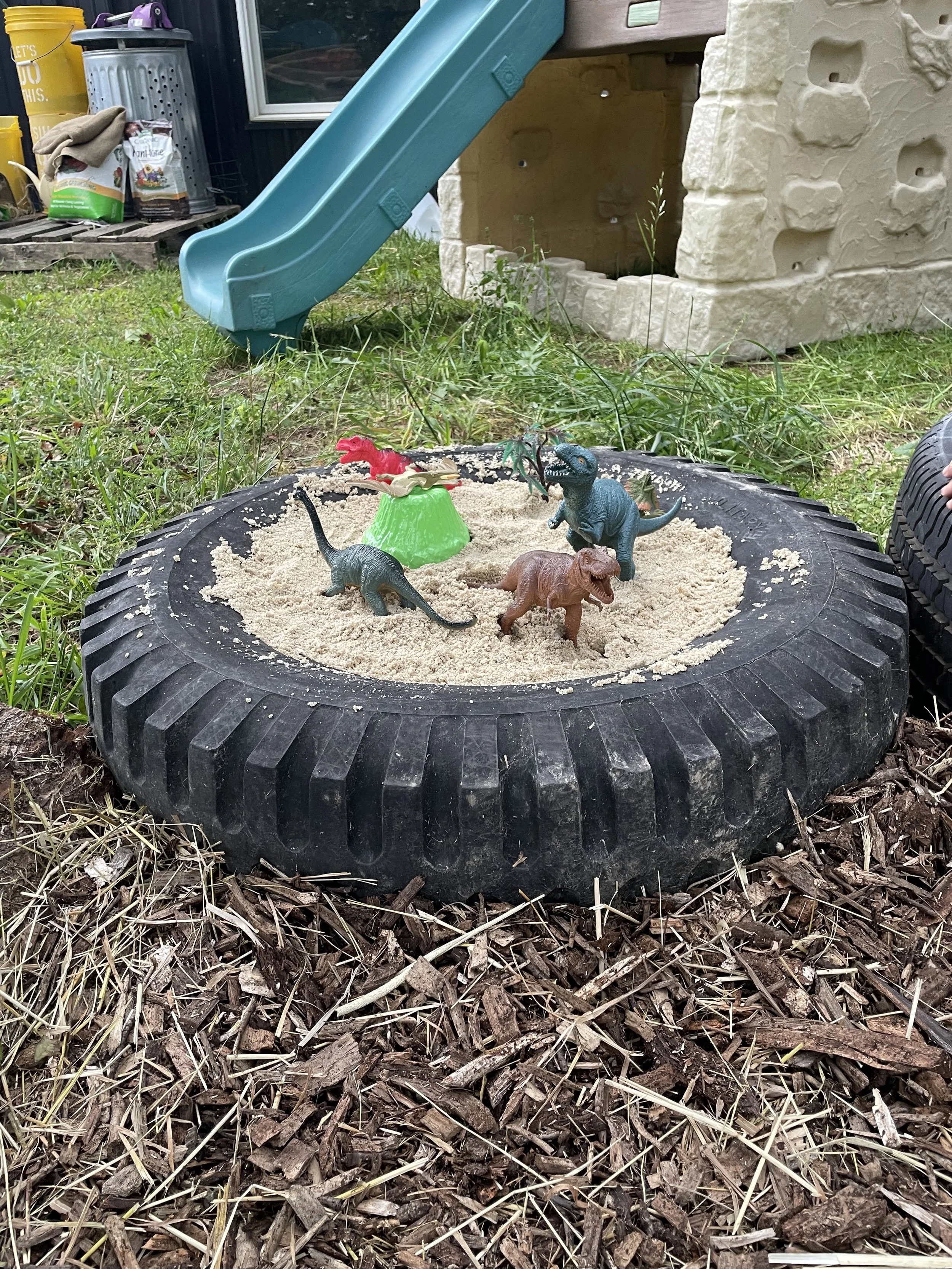
The most important part of a sensory garden, though, is letting go. This space belongs to the children. It will get messy. Plants may be pulled. Dirt will travel farther than you expect. But when children are trusted with ownership, they engage more deeply and with greater care over time. There’s also a practical bonus. When kids have a garden of their own, they’re far less interested in interfering with yours.
As children connect more fully with their senses, something shifts internally. Sensory input helps regulate the nervous system, allowing children to better understand their bodies and emotions. This kind of regulation leads to calmer transitions, fewer power struggles, and a greater sense of balance overall. The effects don’t stay in the garden. They ripple into the home.
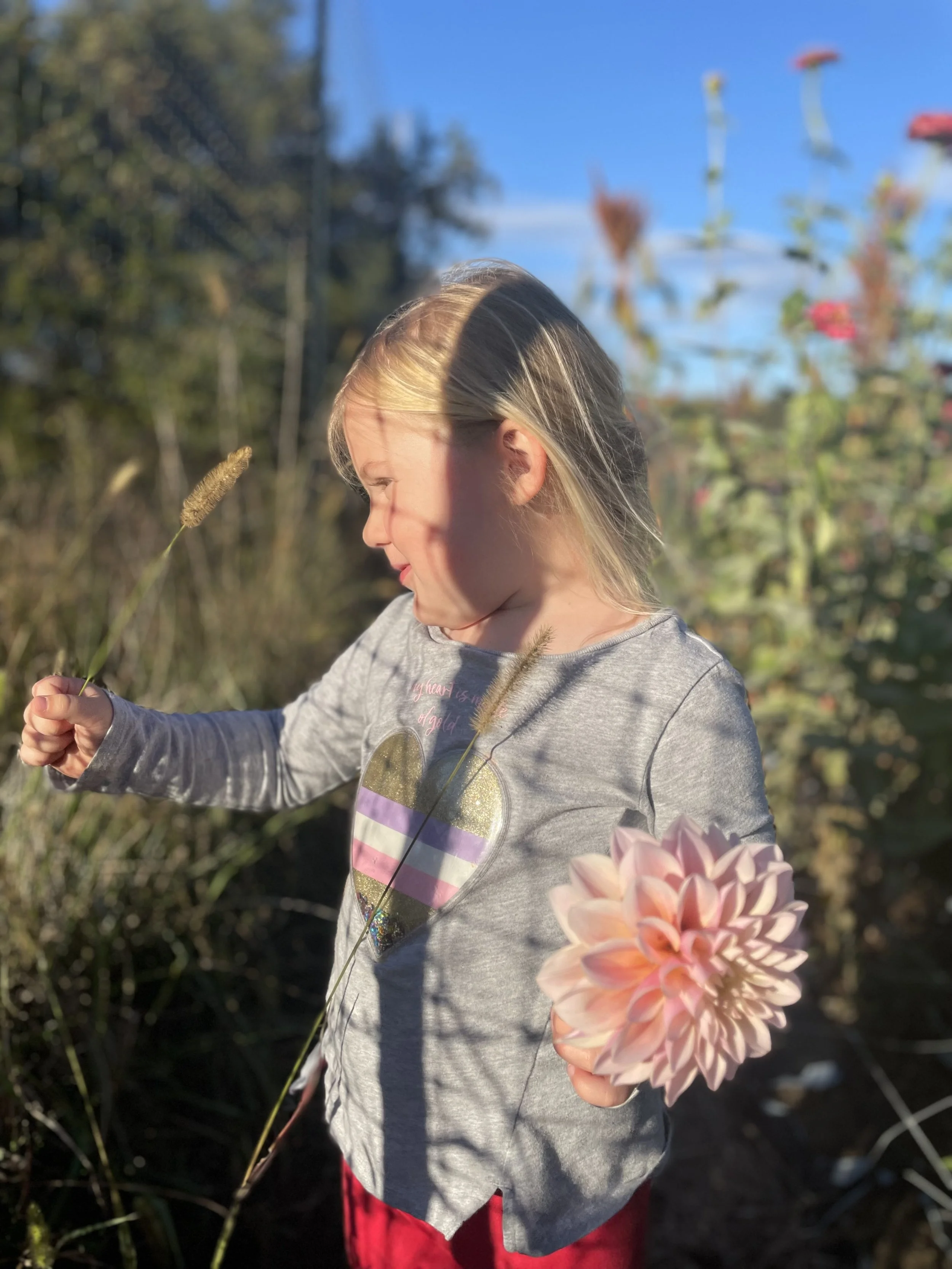
Flowers, in particular, invite the senses without instruction. No one needs to be told how to enjoy a flower. The color draws you in. The scent lingers. The texture of petals invites curiosity. Simply being near flowers engages the body and mind in a quiet, effortless way. That’s nature doing what it does best, creating harmony without force. It’s one of the reasons I believe so deeply in surrounding ourselves with flowers, not just in the garden, but in our homes and everyday lives. They offer calm, connection, and beauty in the middle of full seasons and busy days, no instructions required.
As adults, we often forget how much our own senses need tending too. The same sights, scents, and textures that calm our children can bring steadiness back into our homes in quieter ways. A bouquet on the counter, gathered fresh and in season, offers a small daily pause. A reminder to slow down, to notice, to breathe. Flowers don’t ask for instruction or effort, they simply show up and invite connection. In a season as full and fast moving as May, that kind of beauty and calm can make all the difference.