How to Talk With Kids About Shifting Seasons
March has a way of keeping everyone a little off balance. The light changes. The weather can’t make up its mind. Routines feel the same on paper, but somehow different in real life. And kids notice all of it.
If you’re like me, you’ve probably heard questions lately like, “Are we late for school? Why is the sun up already?” or the opposite, “Why is it bedtime if it’s still light outside?” Their questions aren’t silly or inconvenient. They’re thoughtful. They’re trying to orient themselves in a world that’s shifting just enough to feel confusing.
Daylight saving time arrives early in the month, but the effects linger well past it. By the end of March in northern Virginia, mornings are noticeably brighter, evenings stretch longer, and that extra light has a way of stirring big energy in small bodies. Understanding what’s happening helps children feel steadier inside it.
Children experience seasonal change through their bodies first. They feel the earlier wake ups. They notice shadows on the floor at breakfast. They sense the mismatch between what the clock says and what the sky looks like.
You might see it show up as extra questions, resistance at bedtime, or even emotional whiplash. One day they’re cheerful and energetic after school, the next they’re melting down because they’re overtired but not ready to sleep. Naming what they’re noticing helps. A simple, “The days are getting longer right now. That can feel strange,” often brings more calm than we expect.
With children, fewer words usually land better. Clarity and calm matter more than scientific accuracy at first.
In our house, we talk about the sun as if it’s waking up and going to bed, just like we do. The kids know where it “wakes up” on the east side of the house and where it “goes to bed” behind the pasture in the west. That’s enough for the youngest ones. It gives them a picture they can hold onto.
As kids get older, you can layer in more. A globe and a flashlight can show how the earth spins for day and night and tilts for seasons. For early spring, though, even something as simple as, “The sun is staying with us longer so plants and animals can grow again,” connects the change to something tangible.
The key is your tone. When you speak calmly and confidently, they feel safe even if they don’t fully understand yet.
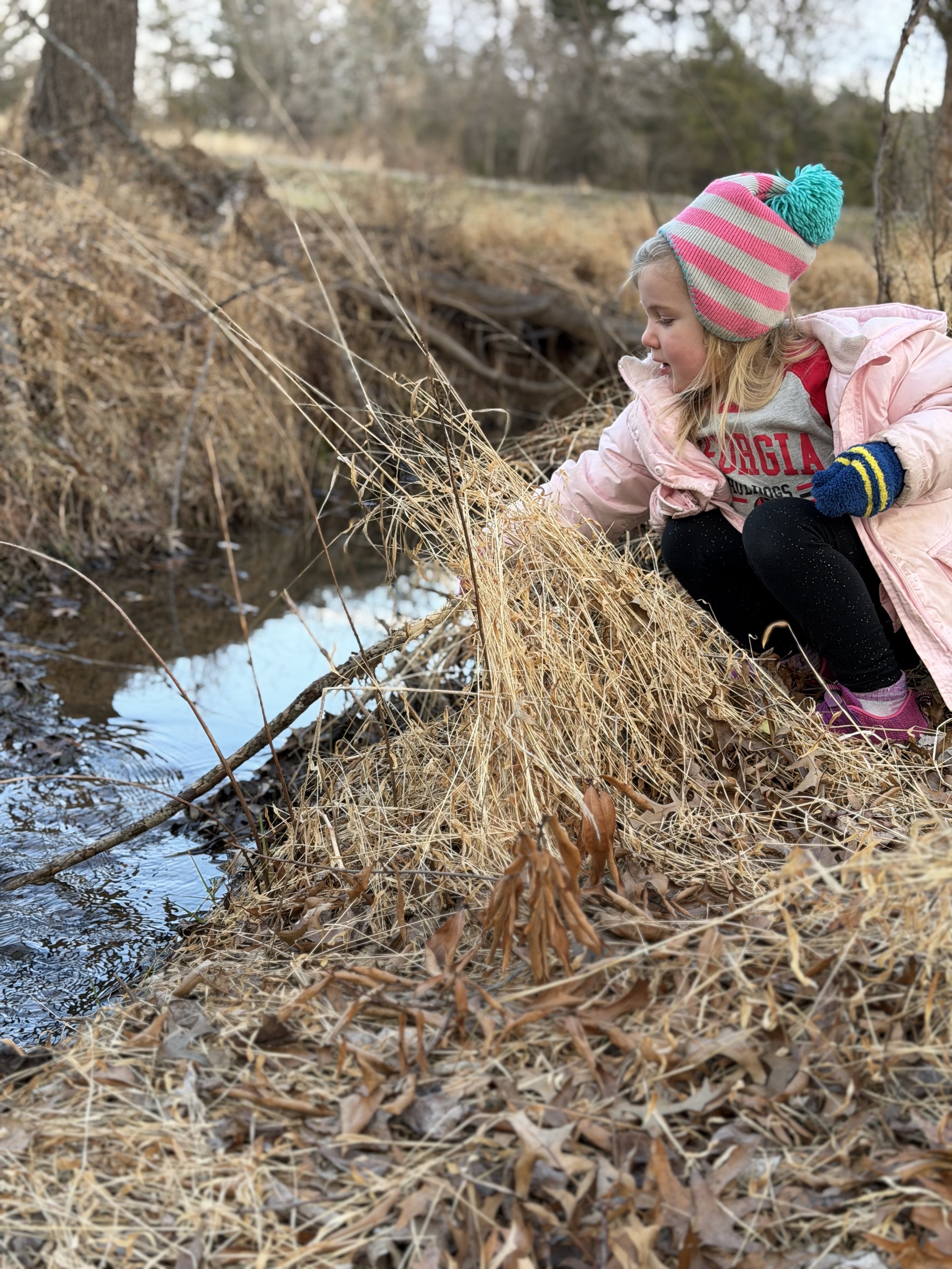
March in Virginia is the perfect classroom for patience. You’ll see daffodil shoots pushing up, tree buds swelling but not quite opening, bees venturing out on warm afternoons, then disappearing again when the cold returns.
Point these moments out. “Look, the trees are getting ready, but they’re not rushing.” Or, “The flowers know to wait until it’s warm enough.” These observations quietly teach that change doesn’t happen all at once.
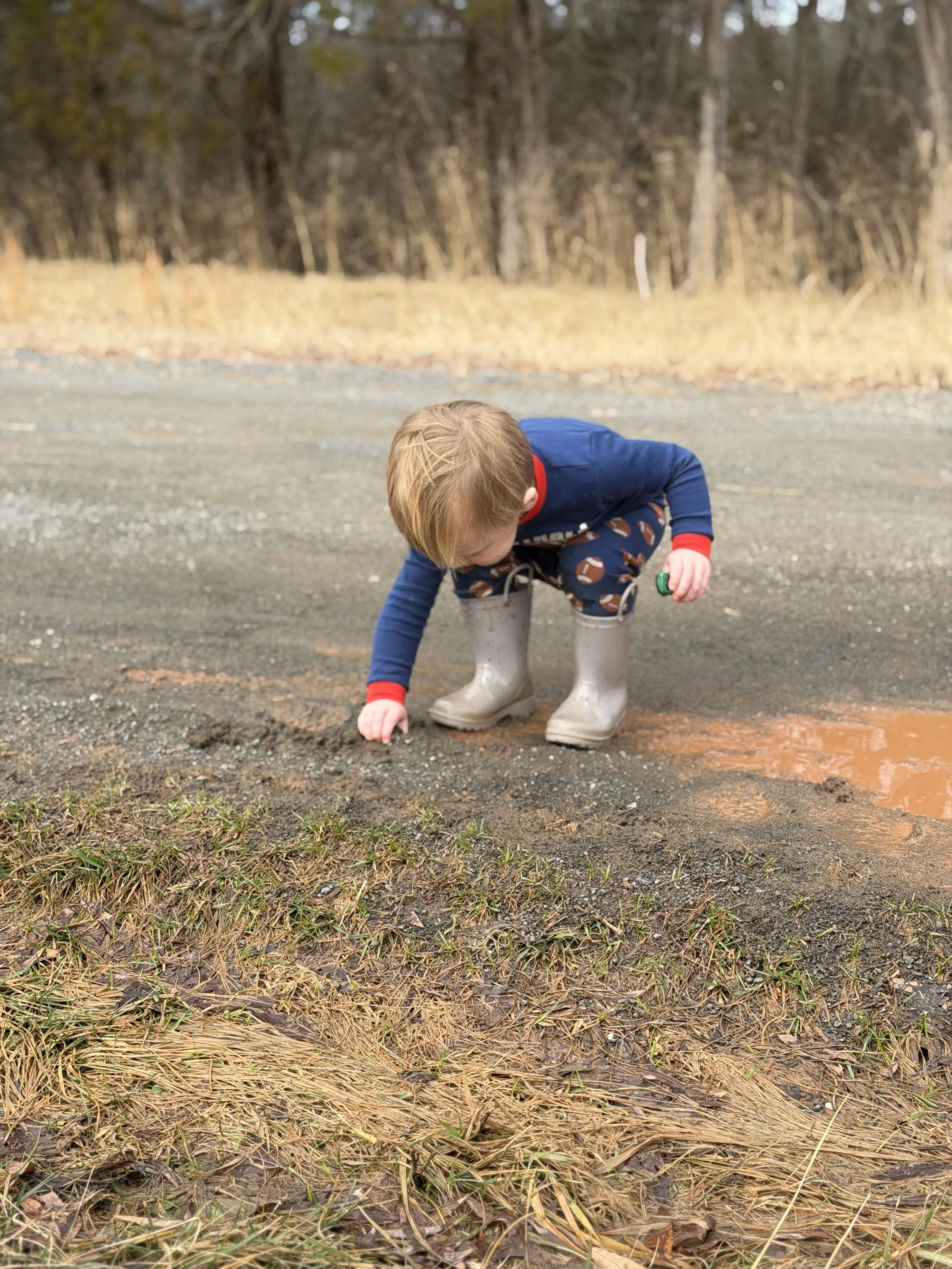
Weather swings are part of the lesson too. One afternoon might feel like spring with muddy boots and buzzing insects, while the next brings frost or even a brief flurry. Let kids know this back and forth is normal. Early spring is practice for what’s coming, not the final version.
This is often the hardest part of the season for children. They want bare feet, long outdoor days, and freedom from layers. They can feel spring so close, yet it keeps slipping away.
Instead of pushing down their impatience, help them reframe it. “That excited feeling means your body knows fun is coming.” Anticipation becomes something positive when it’s named.
You can channel it into small rituals. Maybe you keep a simple list of things you’re excited for as a family. Or you mark changes on a calendar. Not counting down aggressively, just noticing together. “By the time these buds open, we’ll be doing more outside.” It gives their excitement somewhere to land.
Children take their cues from us. When routines feel wobbly, they look to see how we respond.
Even when the sun is pouring into their room earlier than usual, we stick to the same morning rhythm. We get dressed. We eat breakfast. We head into the day. The message is subtle but powerful. Things can change around us, and we can still feel grounded.
You can also model wonder instead of annoyance. “This extra light is what helps everything grow,” reframes disruption into purpose. It teaches children that change isn’t something to fight against, but something to observe with curiosity.
March is a quiet invitation to look ahead without rushing there.
If bigger routine changes are coming later, this is a kind month to begin naming them. You might say, “See how the leaves are starting to grow now? By the time this tree has flowers, our days will look different.” Nature becomes your timeline, which feels more concrete and less overwhelming for children.
This is also a season of preparation for us as parents. We notice what’s been dormant and what’s starting to stir. On the farm, it’s when we begin getting ready for the abundance ahead, even though nothing is blooming yet. At home, it’s the same. Small conversations now make bigger transitions later feel gentler.
And quietly, it’s when many families begin thinking about what will bring ease and beauty into their spring and summer rhythms. Small supports added now can make busy seasons feel calmer when they arrive.
Early spring doesn’t ask us to rush forward. It asks us to notice. To explain change simply. To help our children hold excitement without letting it turn into frustration. To stay steady while everything around us slowly wakes back up.
March is the season of almost. Almost warm. Almost green. Almost busy again. When we let it be what it is, we give our kids a gift. We teach them that growth takes time, and that waiting can be beautiful too.
And just like the flowers preparing beneath the soil, a little preparation now makes the months ahead feel more joyful when they finally arrive.